Food

Food

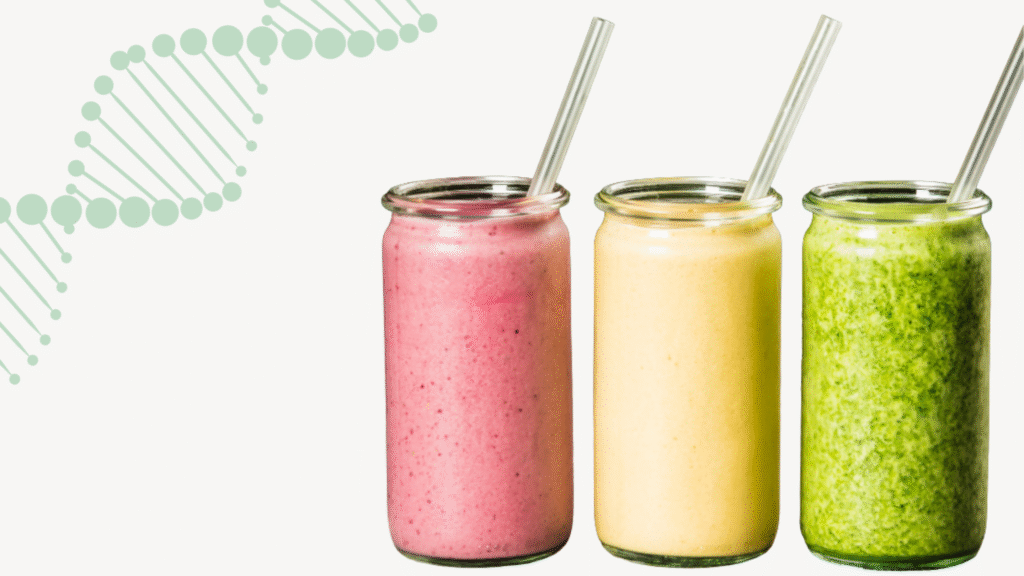
10 Sveikatai palankių glotnučių idėjų

Glotnučiai – greitas ir paprastas būdas papildyti savo mitybą naudingomis maistinėmis medžiagomis, vitaminais ir mineralais. Nesvarbu, ar jums reikia greitų pusryčių, energijos po treniruotės ar gaivinančio užkandžio – glotnučiai yra puikus sprendimas, o ypač jie praverčia užimtiems žmonėms, nes gamyba greita ir paprasta. Skirtingai nei sultys, glotnučiai išlaiko skaidulas, kurios yra svarbios gerai virškinimo sistemos veiklai. Pateikiu jums 10 sveikų ir gardžių glotnučių receptų – jie tokie skanūs ir maistingi, kad norėsite juos įtraukti į savo kasdienybę! 1. Žaliasis detox glotnutis 2. Uogų glotnutis 3. Mangų Ananasinis glotnutis 4. Šokoladinis glotnutis 5. Žaliasis avokadų-špinatų glonutis 6. Sotus avižų glotnutis su braškėmis 7. Gaivinantis mėtų glotnutis 8. Persikinis glotnutis 9. Braškinis bananų skonio glotnutis 10. Energizuojantis matcha glotnutis Dar keletas minčių… Įtraukus šiuos glotnučius į kasdienę rutiną, jie taps puikiu sprendimu tomis dienomis, kai trūksta laiko gaminti, tačiau norisi ko nors lengvo ir naudingo sveikatai. Glotnučiai taip pat yra puikus užkandžio pakaitalas. Patogu naudoti nedidelį smulkintuvą: ryte į jį sudėkite ingredientus, o vėliau, kai tik prireiks, greitai susiplaksite šviežią glotnutį tiek darbe tiek namuose.

Food

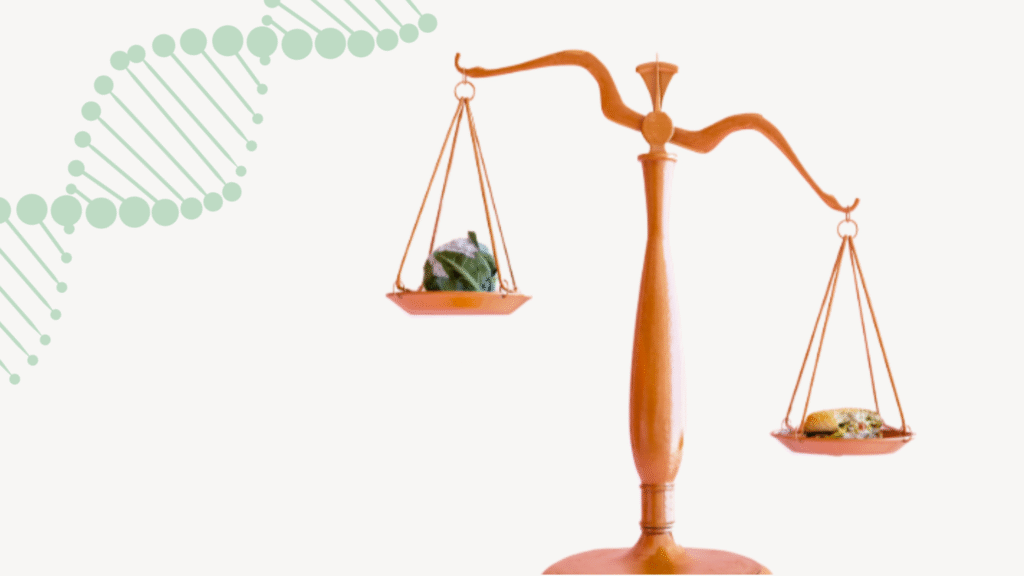
Kaip rasti balansą tarp sveikos mitybos ir mėgavimosi maistu

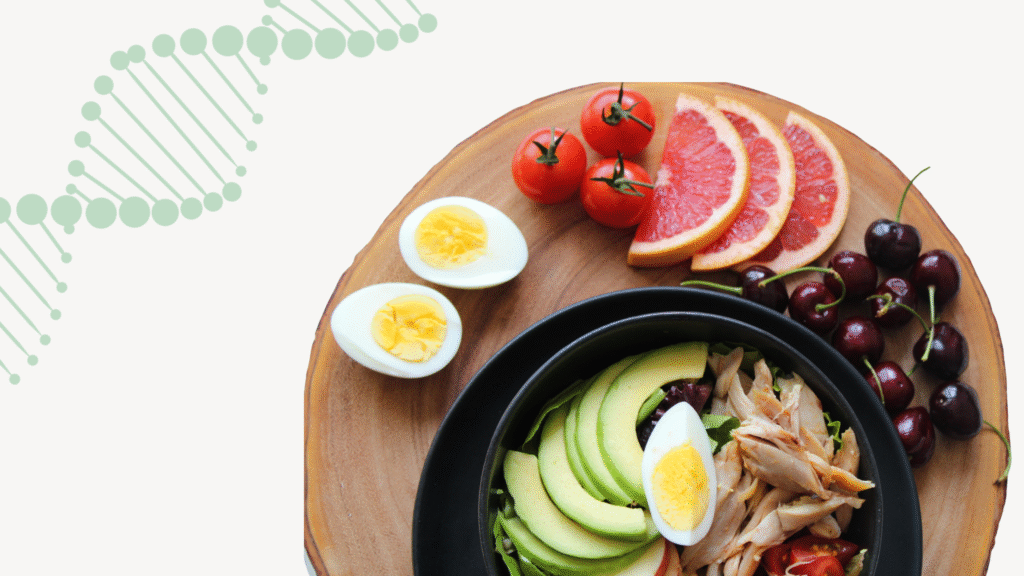
Šiandieniniame pasaulyje išlaikyti subalansuotą mitybą gali atrodyti sudėtinga. Nuolat esame apsupti naujausių mitybos tendencijų, painių maisto ženklinimų ir įvairių sveikatos patarimų, kurie neretai apsunkina suvokimą, kaip tinkamai pasirinkti maistą. Mano nuomone, subalansuota mityba nebūtinai turi būti sudėtinga. Tai – apie balanso radimą, kuris atitiktų jūsų kūno poreikius, gyvenimo būdą ir asmeninius prioritetus. Šiame įraše pasidalinsiu, kaip sukurti darnų santykį su maistu, sutelkiant dėmesį į saiką, įvairovę ir sąmoningumą. 1. Supraskime, kas yra balansas Kalbant apie mitybos balansą, tai nebūtinai reiškia griežtą „sveiko“ ir „nesveiko“ maisto pasidalijimą per pusę. Pusiausvyra – tai sprendimų priėmimas, kurie skatina ilgalaikę sveikatą, tačiau kartu leidžia išlaikyti lankstumą ir mėgautis maistu. Tai reiškia, kad turime turėti laisvę pasimėgauti gardesniais patiekalais be kaltės jausmo, kartu prioritetą teikiant maistingiems produktams, kurie aprūpina jūsų kūną reikalingomis medžiagomis. Tokiu būdu atsisakome griežtų taisyklių ir galime rasti sveiką balansą. 2. Pajauskime ir atpažinkime saiką Saiko pajautimas yra esminis veiksnys siekiant mitybos balanso. Tikrai nereikia laikytis griežtų dietų, kurios demonizuoja produktus, išbraukia eilę produktų grupių. Verčiau einant į kraštutinumus, laikykitės tokių principų: PorcijosValgydami tinkamas porcijas išvengsite persivalgymo ir galėsite mėgautis įvairiais maisto produktais nejausdami ribojimų. Pasirinkite tokią porciją, kad pavalgytumėte, bet nejaustumėte pilnumo. Sotumo pojūčiui ateiti reikia šiek tiek laiko. Perdirbtų maisto produktų ribojimas:Kartkartėmis pasimėgauti skanėstais – normalu, tačiau stenkitės riboti stipriai perdirbtą maistą, kuris dažnai turi daug cukraus, nesveikųjų riebalų ir tuščių kalorijų. SkanėstaiJei norite deserto ar saldumyno, pakeiskite tai sveikesniais užkandžiais, kuriuos pasigaminti galite namuose. 3. Maisto įvairovė Vienas svarbiausių subalansuotos mitybos aspektų – įvairovė. Įvairi mityba užtikrina, kad organizmas gautų visus būtinus maistinius elementus, vitaminus ir mineralus, reikalingus tinkamai organizmo veiklai. Valgydami tuos pačius maisto produktus, net jei jie yra sveiki, rizikuojate susidurti su maistinių medžiagų trūkumais arba tokia mityba tiesiog ilgainiui atsibos. Vaivorykštė lėkštėje:Stenkitės, kad jūsų lėkštėje būtų kuo daugiau spalvų – vaisių ir daržovių. Kiekviena spalva simbolizuoja skirtingas maistines medžiagas. Pavyzdžiui, tamsiai žalios lapinės daržovės, tokios kaip špinatai ar lapiniai kopūstai, turi daug geležies ir kalcio, o oranžiniai vaisiai bei daržovės, tokie kaip morkos ar apelsinai, gausūs beta-karoteno ir vitamino C. Makroelementų balansas:Rinkitės subalansuotus patiekalus, kuriuose būtų sudėtinių angliavandenių, baltymų ir gerųjų riebalų. Pavyzdžiui, jūsų subalnsuoto maisto lėkštėje turėtų būti pilno grūdo produktų (angliavandenių), liesos vištienos ar pupelių (baltymų) bei avokado ar alyvuogių aliejaus (gerųjų riebalų). Naujų skonių atradimas:Nebijokite eksperimentuoti su naujais ingredientais, prieskoniais bei produktais. Nauji skoniai gali padėti jums atrasti maistingus produktus ir padaryti valgymo procesą dar įdomesnį. Įvairovė ne tik užtikrina gerą sveikatą, bet ir padeda išlaikyti mitybą įdomią bei malonią! 4. Sąmoningas valgymas ir savo kūno klausymas Šiandieniniame pasaulyje daugelis mūsų valgo išsiblaškę – dirbdami, žiūrėdami televizorių ar naršydami telefone. Toks valgymas gali lemti persivalgymą, nes nepastebime savo alkio ir sotumo signalų. Sąmoningas valgymas – tai valgymo įsisamoninimas ir tikras maisto patyrimas: Valgykite be pašalinių trukdžių:Valgydami skirkite dėmesį tik maistui. Atsiriboję nuo išorinių dirgiklių, galėsite geriau pajusti, kada jaučiatės sotūs, ir sumažinsite persivalgymo tikimybę. Klausykite alkio signalų:Stebėkite, kada tikrai jaučiate alkį, o kada valgote iš nuobodulio, streso ar įpročio. Skirtingų alkio tipų atpažinimas gali padėti geriau suprasti savo kūno poreikius. Mėgaukitės maistu:Skirkite laiko pajusti maisto skonius, tekstūrą ir aromatus. Toks sąmoningas požiūris ne tik padidins pasitenkinimą maistu, bet ir padės jaustis sotiems mažesnėmis porcijomis. Sąmoningai valgydami ne tik geriau patenkinsite savo organizmo poreikius, bet ir išmoksite mėgautis maistu kaip prasmingu kasdienybės ritualu. 5. Planuokite savo valgius ir maistą iš anksto Planavimas yra vienas efektyviausių būdų ne tik palaikyti balansą bet ir sutaupyti. Iš anksto pasiruošę, galite išvengti impulsyvių sprendimų, kurie dažnai veda prie nesveikų įpročių ar brangių pirkinių. Patiekalų pasiruošimas:Skirkite laiko kiekvieną savaitę, kad suplanuotumėte ir pasiruoštumėte sveikus patiekalus. Turėdami pasiruošę maistą iš anksto, lengviau laikysitės sveikos mitybos net tada, kai gyvenimo tempas pasidaro itin intensyvus. Protingi užkandžiai:Visada po ranka turėkite sveikų užkandžių, tokių kaip vaisiai, riešutai ar natūralus jogurtas. Tai padės išvengti nesveikų užkandukų, kai pajusite alkį. Svarbu ir lankstumas:Nors planavimas yra svarbus, būkite lankstūs. Gyvenime pasitaiko netikėtų situacijų, todėl prisitaikymas padės išlaikyti ilgalaikius rezultatus. Pavyzdžiui, jeigu dalyvaujate socialiniame renginyje, kuriame sveikų pasirinkimų mažai, tiesiog pasimėgaukite tuo, kas yra, o prie subalansuotos mitybos grįžkite jau kitame valgymo metu. Pabaigai Balansas mityboje tai nėra tobulumo siekimas – tai gebėjimas sukurti tvarų ir sąmoningą požiūrį į mitybą. Įtraukdami įvairius maisto produktus ir klausydami savo kūno, galite užmegzti sveiką ryšį su maistu, kuris leis jums jaustis ir sveikai, ir patenkinti maisto teikiamo malonumo poreikį. Tikslas – ne riboti, o susikurti gyvenimo būdą, kuris veiktų ilgoje perspektyvoje.

Food

Darnus santykis su maistu. Misija įmanoma?

Šiandieninio tempo pasaulyje, kur mus nuolat supa įvairios maisto pagundos, kintančios dietų mados, daugeliui tampa iššūkis, užmegzti sveiką santykį su maistu. Nesvarbu, ar ieškote paguodos maiste, ribojate save dėl aplinkinių spaudimo, ar valgote iš nuobodulio, keisdami savo požiūrį į maistą galite paakeisti ne tik savo mitybą, bet ir gyvenimo būdą. Teigiamas santykis su maistu yra būtinas tiek fizinei, tiek emocinei sveikatai. Tai kelionė, kurios metu reikia suprasti savo dabartinius įpročius ir sukurti sąmoningą požiūrį į mitybą. Štai keli žingsniai, kurie gali padėti šioje kelionėje: 1. Pirmiausiai, atpažinkite savo įpročius Pirmasis žingsnis į pokyčius – tai suvokimas. Skirkite laiko, kad įvertintumėte, kokia jūsų kasdienė mityba. Ar valgote, kai jaučiate nuobodulį, patiriate stresą, galbūt jaučiate vienišumą? Ar naudojate maistą kaip priemonę save nubausti ar apdovanoti? Pradėkite vesti maisto dienoraštį – užrašykite ne tik tai, ką valgote, bet ir kaip jaučiatės valgymo metu. Tai padės atpažinti savo emocijas ir suprasti, kas skatina jūsų maisto pasirinkimus. 2. Atsisakykite „gero“ ir „blogo“ maisto etikečių Vienas dažniausių klaidingų požiūrių – maisto skirstymas į „gerą“ ir „blogą“. Tokia mąstysena dažnai sukelia kaltės ir gėdos jausmus, o tai gali skatinti persivalgymą ar vesti į valgymo sutrikimus. Užuot vertinę maistą kaip „gerą“ ar „blogą“, sutelkite dėmesį į balansą. Pasimėgaukite mėgstamu skanėstu be kaltės, o didžiąją dalį savo kasdienės užpildykite sveikais bei maistingais produktais bei patiekalais. 3. Klausykite savo kūno signalų Išmokti atpažinti alkio ir sotumo signalus – tai labai svarbus žingsnis kuriant sveiką santykį su maistu. Dažnai valgome vadovaudamiesi išoriniais signalais, pvz., paros laiku ar socialinėmis aplinkybėmis, o ne tikru kūno poreikiu. Praktikuokite sąmoningą valgymą – atkreipkite dėmesį į alkį prieš valgydami, o valgymo metu stebėkite, kada pasijuntate sotūs. Sulėtinkite valgymo procesą, mėgaukitės skoniais, tekstūromis ir kvapais, o valgyti baikite tada, kai jaučiatę jog kūnui gana ir jis jaučiasi sotus, bet ne pilnas. 4. Supraskite emocinį valgymą Emocinis valgymas gali tapti didele problema ypač patiriant stresą, liūdesį ar nerimą. Nors maistas gali suteikti laikiną paguodą, ilgainiui tai sukuria nesveikus įpročius, kai emocijos pradeda diktuoti valgymo įpročius. Kai pajuntate norą valgyti, sustokite ir paklauskite savęs: „Ar tikrai esu alkanas, ar valgau dėl šiuo metu patiriamų emocijų ar jausmų?“ Jei tai emocinis potraukis, išbandykite alternatyvius būdus jausmams valdyti, pvz., rašykite dienoraštį, pasikalbėkite su draugu, atlikite trumpą kvėpavimo praktiką ar užsiimkite kita mėgstama veikla. 5. Praktikuokite intuityvų valgymą Intuityvus valgymas skatina pasitikėti savo kūno signalais ir valgyti vadovaujantis alkio bei sotumo pojūčiais, o ne išorinėmis taisyklėmis, tokiomis kaip kalorijų skaičiavimas ar dietų laikymasis. Leiskite sau valgyti be griežtų apribojimų, gerbkite savo alkio jausmą ir mėgaukitės valgymo procesu. Su laiku išmoksite geriau pažinti savo kūno poreikius ir mažiau priklausysite nuo išorinių aplinkybių. 6. Ugdykite švelnų požiūrį į save Keisti santykį su maistu reikalauja kantrybės ir laiko. Dažnai save stipriai kritikuojame dėl klaidų ar nesėkmių, tačiau toks požiūris dažnai tik dar labiau mums pakenkia. Užuot save kritikavę, praktikuokite teigiamą savęs atjautą. Tai nereiškia savęs gailėjimosi ar aukos pozicijos. Supraskite, kad visi turime gerų ir blogų dienų ir tai yra normalu. Elkitės su savimi taip, kaip elgtumėtės su draugu, kuris patiria sunkumų ir jums rūpi. 7. Sutelkti dėmesį į maistingumą, o ne į apribojimus Užuot siekę apriboti tam tikrus maisto produktus, sutelkite dėmesį į tai, ką galite įtraukti į savo mitybą, kad kūnas gautų maistingo ir sveiko maisto, suteikiančio energijos. Rinkitės spalvingus vaisius, daržoves, pilno grūdo produktus, liesus baltymus, geruosius riebalus, kurie suteiks jūsų kūnui reikalingų vitaminų ir mineralų. Tuo pat metu palikite vietos mėgstamiems maisto produktams be kaltės jausmo – tai padės išlaikyti ilgalaikį balansą. 8. Kreipkitės pagalbos Jei jaučiate, kad jūsų santykis su maistu tampa pernelyg sudėtingas, arba kovojate su stipriu emociniu valgymu, svarbu kreiptis pagalbos. Tam gali padėti psichologas, psichoterapeutas ar specialistas, specializuojantis mitybos elgsenos srityje. Pabaigai Sveiko santykio su maistu kūrimas reikalauja laiko, kantrybės ir nuoseklumo. Tai procesas, kurio metu išmoksite klausytis savo kūno, spręsti emocinius iššūkius ir atsisakyti ribojančių mitybos nuostatų. Praktikuodami savęs atjautą, intuityvų valgymą ir sutelkdami dėmesį į sąmoningą mitybą, galite užmegzti pozityvų, ilgalaikį ryšį su maistu, kuris užtikrins tiek jūsų fizine, tiek emocine gerove.

Food

NUTRITION BASICS Are There Side Effects To Binge Eating Or Overeating?

Binge eating and overeating are common but often overlooked behaviors that can have profound consequences on physical and mental health. While enjoying an occasional indulgence is normal, the habitual consumption of large quantities of food can lead to several short- and long-term side effects. This article will explore these impacts, focusing on both the immediate and chronic outcomes of binge eating or overeating, and offer insights into why addressing these behaviors is crucial for overall well-being. What Is Binge Eating and Overeating? Before diving into the side effects, it’s essential to distinguish between binge eating and overeating. Overeating occurs when you consume more food than your body needs, often at social gatherings, celebrations, or simply because the food is too tempting. On the other hand, binge eating involves consuming an excessive amount of food in a short period, usually accompanied by a feeling of loss of control. Binge eating is also classified as a disorder (Binge Eating Disorder, or BED) when it becomes frequent and causes emotional distress. While occasional overeating is common and may not pose serious health risks, frequent binge eating can lead to a range of negative side effects. Let’s break these down into physical, emotional, and long-term health consequences. 1. Immediate Physical Side Effects 1.1 Discomfort and Indigestion One of the most immediate side effects of overeating is physical discomfort. Consuming large quantities of food can lead to bloating, indigestion, and acid reflux. When your stomach expands rapidly due to overeating, it can put pressure on the diaphragm, leading to feelings of fullness and tightness. These symptoms can be even more pronounced if you eat quickly or consume foods that are high in fat or sugar, which are harder for the body to digest. 1.2 Energy Slumps and Fatigue While food is meant to provide energy, overeating can lead to the opposite effect. After consuming large meals, particularly those high in refined carbs and sugar, you might experience an energy crash or feelings of fatigue. This happens because the body releases insulin to regulate blood sugar levels, but a rapid increase in glucose can lead to a sudden drop, making you feel sluggish and tired. 1.3 Nausea and Vomiting In more extreme cases, overeating can cause nausea and even vomiting. The body can only handle a certain amount of food at a time, and pushing it beyond this limit can trigger your digestive system to forcefully expel the excess food. Overeating may also cause food to back up into the esophagus, resulting in heartburn or nausea. 2. Mental and Emotional Side Effects 2.1 Feelings of Guilt and Shame One of the most common emotional side effects of binge eating is the overwhelming feeling of guilt or shame. Many people experience a sense of failure or self-loathing after overeating, especially if it conflicts with personal health goals or diets. These negative emotions can create a vicious cycle, where feelings of shame or stress lead to more overeating as a form of emotional coping, reinforcing the behavior. 2.2 Anxiety and Depression Frequent binge eating has been associated with higher levels of anxiety and depression. The loss of control that often accompanies binge eating can make individuals feel powerless, contributing to low self-esteem and emotional distress. Over time, this can spiral into more severe mental health issues, including clinical depression or anxiety disorders. Emotional stress can also worsen physical symptoms like indigestion, creating a cycle of discomfort. 3. Long-Term Health Consequences 3.1 Weight Gain and Obesity One of the most obvious long-term effects of binge eating or overeating is weight gain. When you consistently consume more calories than your body needs, the excess is stored as fat. Over time, this can lead to obesity, which increases the risk of developing a wide range of health issues, including heart disease, type 2 diabetes, and certain cancers. 3.2 Insulin Resistance and Type 2 Diabetes Binge eating, especially when high-sugar and processed foods are involved, can lead to insulin resistance. Insulin resistance occurs when the body’s cells stop responding effectively to insulin, the hormone that regulates blood sugar levels. Over time, this can lead to consistently high blood sugar levels, increasing the risk of developing type 2 diabetes. Once insulin resistance sets in, it becomes harder to manage weight, creating a dangerous feedback loop. 3.3 Cardiovascular Issues The long-term habit of overeating, especially foods high in saturated fat, sugar, and sodium, can take a toll on cardiovascular health. Overeating contributes to high cholesterol levels, high blood pressure, and an increased risk of developing atherosclerosis (hardening of the arteries). All of these factors elevate the risk of heart disease, stroke, and other cardiovascular complications. 3.4 Sleep Disturbances Frequent overeating, especially at night, can disrupt your sleep patterns. The discomfort from indigestion or bloating can make it difficult to fall asleep or stay asleep. Additionally, the body’s metabolic response to large meals can interfere with your circadian rhythm, leading to poor-quality sleep and increased fatigue during the day. 3.5 Gastrointestinal Problems Chronic overeating can put a significant strain on the digestive system, leading to long-term gastrointestinal issues. The constant intake of excessive food can result in conditions like gastroesophageal reflux disease (GERD), irritable bowel syndrome (IBS), and even damage to the stomach lining. Over time, these issues can become chronic and require medical intervention. 4. How to Address Binge Eating and Overeating While the side effects of binge eating and overeating can be serious, they are also manageable with the right strategies. 4.1 Mindful Eating One effective way to combat overeating is through mindful eating. This involves paying close attention to your hunger and fullness cues, eating slowly, and savoring each bite. By doing so, you allow your body to register fullness, reducing the likelihood of overeating. 4.2 Stress Management Since binge eating is often linked to emotional stress, finding healthier ways to cope with stress can significantly reduce the urge to overeat. Activities such as exercise, meditation, or talking to a therapist can help manage emotional triggers and provide alternative outlets for

Food

Why Hunger Signals Are Important To Understand And Use

In today’s fast-paced world, many of us have lost touch with one of the most basic functions of our bodies—hunger. We eat on schedules set by society, indulge when we’re stressed, or restrict ourselves for various reasons, all without paying much attention to what our body is actually trying to tell us. Understanding and responding to hunger signals is key to maintaining a healthy relationship with food, nourishing our bodies appropriately, and avoiding both overeating and under-eating. In this blog post, we’ll explore why hunger signals are important, how to tune into them, and ways to use them for better health and well-being. What Are Hunger Signals? Hunger signals are the body’s natural way of indicating the need for food. These signals stem from complex biochemical processes that involve hormones, the brain, and the digestive system working in tandem to regulate energy balance. When your body needs fuel, it sends a variety of signals to prompt you to eat. The most recognizable hunger signals include: These physical sensations are your body’s way of signaling that it’s time to refuel. However, there are also emotional and psychological aspects to hunger that can make it challenging to interpret these signals correctly. The Science Behind Hunger The regulation of hunger is controlled by a complex system of hormones. The key hormones involved in hunger regulation include: Together, these hormones work in a feedback loop to help maintain energy balance. When you pay attention to your hunger and fullness signals, you can eat in alignment with your body’s actual energy needs. The Problem of Ignoring Hunger Signals Many people ignore their hunger signals for a variety of reasons—whether it’s due to a busy schedule, dieting, or emotional eating. Over time, this can lead to several issues, both physical and psychological. 1. Overeating Ignoring hunger signals often leads to overeating. When you’re distracted or not mindful of when and what you’re eating, you can easily consume more than your body actually needs. This is particularly common when people deprive themselves for extended periods, leading to intense hunger and binge eating. 2. Undereating On the flip side, some individuals may suppress their hunger signals, particularly if they are trying to lose weight or adhere to a restrictive diet. Chronic undereating can lead to nutritional deficiencies, fatigue, and even eating disorders like anorexia. 3. Emotional Eating Hunger signals can become confused with emotional triggers. Stress, boredom, sadness, or even happiness can all prompt people to eat when they aren’t physically hungry. Emotional eating can lead to unhealthy weight gain and a disconnection from your body’s true needs. Tuning Into Your Hunger Signals So, how can you reconnect with your body’s natural hunger cues? The key lies in mindfulness and intuitive eating. Here are some strategies to help you tune into your hunger signals: 1. Hunger Scale A useful tool for gauging hunger is the hunger scale, which ranges from 1 to 10, with 1 being ravenous and 10 being uncomfortably full. Ideally, you should aim to eat when you’re at a 3 or 4—when you’re beginning to feel hungry but not so hungry that you’re famished. Stop eating when you reach a 6 or 7—when you feel satisfied, but not overly stuffed. 2. Mindful Eating Mindful eating is about being present and fully aware during meals. This means paying attention to the taste, texture, and aroma of your food, as well as how your body feels as you eat. Avoid distractions like watching TV or scrolling on your phone while eating, as this can prevent you from recognizing when you’ve had enough. 3. Recognizing True Hunger vs. Emotional Hunger It’s important to differentiate between physical hunger and emotional hunger. Physical hunger comes on gradually and is accompanied by physical symptoms like stomach growling, low energy, or lightheadedness. Emotional hunger, on the other hand, often comes on suddenly and is associated with cravings for specific comfort foods. When you feel the urge to eat, ask yourself if you’re truly hungry or if you’re eating out of stress, boredom, or habit. 4. Eat Regularly Skipping meals can make it difficult to tune into your hunger signals. Aim to eat balanced meals and snacks throughout the day to prevent extreme hunger, which can lead to overeating. When you eat regularly, it’s easier to detect when your body is starting to get hungry and to stop when you’re full. The Benefits of Understanding and Using Hunger Signals Understanding and responding to hunger signals can have profound benefits for both your physical and mental well-being. 1. Improved Weight Management When you eat in response to hunger and stop when you’re full, you’re more likely to maintain a healthy weight. This approach avoids the extremes of overeating and undereating, helping to keep your metabolism balanced and your energy levels stable. 2. Better Digestion Eating when you’re truly hungry leads to better digestion. When you’re in tune with your hunger signals, your body is better prepared to break down and absorb nutrients from food. You’re also less likely to overeat, which can cause discomfort, bloating, and indigestion. 3. Reduced Risk of Disordered Eating Learning to honor your hunger and fullness cues can help prevent disordered eating patterns. When you trust your body’s signals, you’re less likely to engage in restrictive dieting or binge eating, both of which can have serious consequences for your physical and mental health. 4. A Healthier Relationship with Food Perhaps the greatest benefit of understanding and using hunger signals is the ability to foster a healthier relationship with food. When you eat based on your body’s needs rather than external cues or emotions, food becomes a source of nourishment and pleasure, rather than a source of guilt or stress. Conclusion Hunger signals are your body’s natural way of communicating its needs, and learning to understand and use these signals is essential for maintaining good health. By tuning into your body and practicing mindful eating, you can develop a more balanced approach to food, avoid overeating or undereating, and cultivate

Food

8 Factors That Can Alter Your Food Portions

In today’s fast-paced world, maintaining a balanced diet is often a challenge. Whether you’re dining out or preparing meals at home, understanding the factors that can impact the amount of food you consume is essential for managing portion control and, by extension, overall health. Let’s explore eight key factors that can alter your food portions. 1. Plate Size The size of your plate plays a huge role in determining how much food you consume. This is known as the plate size effect. When you’re using larger plates, your portions often appear smaller, prompting you to serve and eat more. Conversely, smaller plates can make your portions seem bigger, which may help you eat less. Studies have shown that people tend to eat about 30% more when their plate is larger, which can significantly affect your calorie intake over time. Tip: Use smaller plates to naturally reduce portion sizes and prevent overeating. 2. Visual Cues Your brain responds to visual cues when determining whether you’re full. These cues include how much food remains on your plate and the size of your portions in relation to the overall meal. If you see that your plate is still half full, your brain may not register fullness, leading you to eat more. Furthermore, visual distractions—such as watching TV or scrolling on your phone—can cause you to lose track of how much you’re eating, leading to mindless overconsumption. Tip: Pay attention to your portions and avoid eating while distracted by screens. 3. Serving Utensil Size The size of your serving spoon or ladle can significantly influence the portions you serve. Research has found that people tend to serve 14% more food when using larger serving utensils. This subtle difference can add up, leading to unintentional overeating, particularly with calorie-dense foods. Tip: Be mindful of serving utensils and consider using smaller ones to control how much food ends up on your plate. 4. Food Packaging Pre-packaged foods can mislead you about portion sizes. When food comes in larger packages, you’re more likely to serve and consume more, even if you don’t realize it. Studies have shown that people eat more when snacks, cereals, or beverages are offered in larger containers because they perceive the contents as one portion. Tip: Read food labels carefully and pay attention to the recommended serving sizes on packaged foods. 5. Meal Timing The time at which you eat can affect how much you eat. Eating later in the day or skipping meals often leads to larger portion sizes in subsequent meals. For instance, skipping breakfast may cause you to overeat at lunch or dinner because your body is compensating for the earlier lack of energy. Additionally, eating in a rush can cause you to overlook portion control, making it easier to overindulge. Taking time to eat more slowly gives your body a chance to signal fullness before you overeat. Tip: Stick to regular meal times and take your time to enjoy each meal. 6. Social Influence When eating with others, portion sizes tend to increase. This is often due to social norms—when you’re in a group, you may subconsciously mirror the eating behaviors of those around you. For example, if others are eating larger portions, you’re likely to follow suit. Similarly, in buffet settings or large family-style meals, portion sizes can escalate as everyone contributes to a shared table of food. Tip: Be aware of the portions served during group meals and try to serve yourself mindfully, regardless of what others are doing. 7. Hunger and Satiety Signals Your body uses hormones like ghrelin (which stimulates hunger) and leptin (which signals fullness) to regulate how much you eat. However, these signals can be affected by a variety of factors, including stress, dehydration, or lack of sleep. When your body is tired or stressed, ghrelin levels rise, prompting you to eat more. Ignoring these internal hunger and satiety cues can also cause you to overeat. For instance, if you wait too long between meals and become overly hungry, you may consume larger portions in a hurry, before your body can signal that you’re full. Tip: Tune in to your body’s hunger and fullness signals, and avoid eating out of boredom or stress. 8. Restaurant Portions Dining out can be a major culprit when it comes to oversized portions. Restaurants, especially in the U.S., often serve meals that are much larger than recommended portion sizes. This can make it difficult to gauge how much you’re actually eating. The phenomenon of portion distortion means that over time, people become accustomed to larger portions as the new „normal.” When dining out, it’s easy to consume the entire portion, even if it exceeds what you would typically eat at home. The mindset of “getting your money’s worth” can further encourage overeating, leading to higher calorie intake. Tip: Split restaurant portions or ask for a to-go box and save half the meal for later. This can help you control how much you eat in one sitting. Conclusion Understanding the factors that influence your food portions is key to maintaining a balanced diet and preventing overeating. By being mindful of elements like plate size, meal timing, social influences, and your body’s hunger signals, you can better control your portion sizes and support healthier eating habits. Small, conscious changes can lead to big improvements in your overall health.

Į viršų